

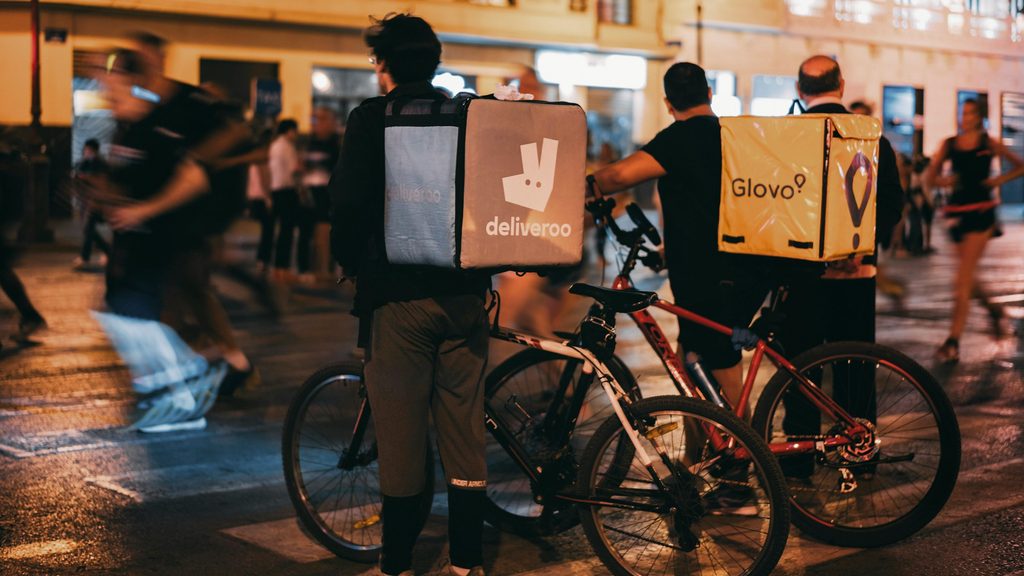
As cities become increasingly dependent on e-commerce and on-demand services, urban logistics is reaching a turning point. Every retailer, marketplace and delivery platform building its own fleet may no longer be the most efficient model.
A growing number of innovators believe the future of last-mile delivery lies in collaboration rather than ownership. Instead of adding more vehicles to already crowded streets, the next generation of logistics platforms aims to connect the capacity that already exists.
One of them is HiO, a Romanian startup founded by logistics entrepreneur Bogdan Termure, whose vision is to create a shared digital infrastructure for urban deliveries. Rather than competing with existing courier companies, HiO connects marketplaces, retailers and logistics providers into a single ecosystem, helping them make better use of available resources.


Why Cities Need Shared Logistics
Last-mile delivery has become one of the fastest-growing segments of urban mobility, but also one of its most fragmented.
Marketplaces, retailers and logistics companies often operate independently, investing in separate fleets that frequently overlap geographically while leaving significant capacity unused.
HiO approaches the problem differently.
“Our role is to understand where demand exists and move fleets in a way that they can cover their idle time,” explains Bogdan Termure. Instead of building another delivery network, the platform orchestrates existing logistics resources, creating a more efficient ecosystem for every participant.
From Competition to Collaboration
Termure has worked in logistics since 2011, giving him a front-row seat to the rapid evolution of the delivery industry. One of the biggest lessons, he says, is that operational excellence eventually outweighs branding.
In the early days of on-demand delivery, many platforms insisted that every courier should carry their own branded equipment. Over time, however, customers proved to value reliability, speed and affordability far more than the logo on a delivery bag.
“What matters is that the service is done well—not necessarily who delivers it,” is the conclusion the industry gradually reached, according to Termure. Delays, high costs and inconsistent service ultimately have a much greater impact on customer satisfaction than visual branding.
Why Marketplaces Are Rethinking Delivery
Another trend reshaping the sector is the growing separation between commerce and logistics.
Rather than investing heavily in delivery operations, marketplaces increasingly focus on connecting buyers and sellers while outsourcing fulfilment to specialised logistics partners.
According to Termure, this model is not only operationally simpler but often more profitable. Marketplaces can concentrate on generating transactions and platform revenue, while dedicated logistics providers handle deliveries more efficiently.
HiO positions itself as the technological layer that enables this collaboration between retailers, marketplaces and delivery fleets.
Building the Digital Infrastructure for Smarter Cities
To accelerate this vision, HiO secured funding through a European Union research programme.
The objective extends beyond improving deliveries for individual businesses. The project aims to create a digital platform capable of interconnecting all logistics actors within a city, allowing them to share resources and collaborate instead of duplicating infrastructure.
For smaller businesses, the impact could be significant. Instead of investing in vehicles, drivers and operational capacity that may remain underutilised, they gain access to logistics services on demand.
“If everyone starts building their own fleets, it becomes a nightmare,” says Termure. “Small companies often don’t have the resources to build and maintain their own logistics operations.”
Beyond Last-Mile Delivery
HiO’s vision reflects a broader shift taking place across Europe’s innovation ecosystem.
As cities search for ways to reduce congestion, improve sustainability and make better use of existing infrastructure, collaborative logistics is emerging as an increasingly attractive model. The future may not belong to the companies with the largest fleets, but to those capable of connecting them intelligently.
For HiO, the ambition is not to become another delivery company. It is to build the digital infrastructure that allows urban logistics to function as a connected ecosystem—where retailers, marketplaces and logistics providers all benefit from shared capacity, lower costs and smarter resource allocation.