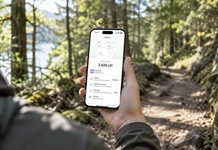


For most navigation apps, the shortest or fastest route is the default choice. Romanian startup Defensive Pedal is taking a different approach: helping cyclists reach their destination using the safest route instead.
Among the startups showcased in the Techsylvania Startup Alley, Defensive Pedal has developed a navigation app that analyzes road infrastructure, traffic conditions, weather, and dozens of other variables to recommend routes that minimize cycling risk rather than travel time.
“We’re essentially building Google Maps for safe cycling,” said Victor Rotariu, founder of Defensive Pedal, during an interview with Startups&TheCity.



A risk algorithm built on European cycling data
At the core of Defensive Pedal is a proprietary risk-scoring algorithm developed using European cycling accident data and extensive rider feedback.
According to Rotariu, the first versions of the model were validated with input from over 2,400 cyclists, while the current algorithm evaluates approximately 80 different factors that influence cycling safety.
Most of these variables relate to infrastructure, including:
- road type;
- roundabouts;
- tunnels;
- parks;
- road curvature;
- traffic models;
- weather conditions.
Rather than relying solely on mapping data, the platform combines multiple public datasets with its own analytical model to generate a safety score for every road segment.
According to the team, routes generated by Defensive Pedal are currently 2.1 times safer than the default cycling routes in Romania. The claim is based on an internal validation in which the startup compared 10,149 routes generated by the Defensive Pedal algorithm with Google Maps routes between the same randomly selected origin and destination pairs across Romania. The safety assessment used the company’s proprietary risk model, which incorporates cyclist risk factors identified in official European research on the causes of cycling accidents.
AI continuously improves route recommendations
Although the core risk model is deterministic, Defensive Pedal adds an AI layer that continuously refines its recommendations.
As cyclists use the app, they can report unsafe locations, while anonymous usage data helps the system understand whether riders follow the suggested routes or choose alternatives. This feedback loop enables the algorithm to identify potentially dangerous areas that may not be evident from public data alone.
“The AI helps us continuously improve the quality of the safety ratings,” Rotariu explained.
Already live in Romania
The Android version of Defensive Pedal has been available for about two weeks and currently covers the entire Romanian road network. The iOS version also launched last week.
The startup has intentionally kept marketing efforts limited during the initial rollout, focusing instead on validating the product and collecting user feedback.
Even so, the platform has already attracted a few hundred active users from word of mouth alone, while approximately 900 cyclists have signed up for early access and are expected to join.
Helping cities improve cycling infrastructure
The technology is designed not only for individual cyclists but also for urban planners.
Defensive Pedal is collaborating with the World Bank on cycling consultancy projects, using its risk algorithm to identify dangerous streets and intersections at a highly detailed level.
Rather than simply highlighting that one city is safer than another, the platform can pinpoint exactly where infrastructure improvements would have the greatest impact on cyclist safety.
Rotariu said the company can already calculate safety scores for individual cities and plans to publish a city ranking covering most Romanian and European cities in the near future.
Expanding across Europe
While Romania serves as the startup’s launch market, the ambition is significantly broader.
The team plans to expand across the European Union within this year. Since much of the required infrastructure and traffic data is publicly available, adapting the platform to new countries is technically straightforward, although each market requires local validation, cyclist feedback, and adjustments to national traffic regulations.
A mixed business model
Defensive Pedal plans to monetize the platform through several complementary revenue streams.
The navigation app will remain free for basic users, while premium features are planned under a subscription model. Beyond consumer subscriptions, the company also sees commercial value in aggregated cycling intelligence.
Anonymous mobility insights can help outdoor brands, bicycle retailers, and local authorities better understand where cyclists travel and how infrastructure influences riding behavior, while municipalities can use the data to prioritize investments that improve cycling safety.
As cycling continues to gain momentum across European cities, Defensive Pedal is betting that safer navigation—and better data—can become essential infrastructure for both riders and the organizations building more bike-friendly urban environments.